Silverfish Control in North York Homes and Apartments
What Silverfish Are and Why They Show Up in North York
Silverfish are tiny, quick-moving pests, damp-loving insects that often remain concealed during the day and emerge at night. In North York, ON, they are a common concern in both older housing and newer high-density buildings because local living spaces often create the right mix of humidity, warmth, and hiding spots. A hidden infestation can develop quietly in places like North York basements, condo units, and shared utility areas before residents notice the first infestation signs.
These night-active pests prefer moist, dark spaces and are especially drawn to places where there is moisture from plumbing, poor ventilation, or condensation. In pest control North York work, silverfish are often found in homes where the air stays humid year-round, especially in basement suites, bathroom cabinets, and storage areas. Because many properties in Willowdale, along Yonge Street-adjacent buildings, and throughout Downsview include a mix of older finishes and shared building systems, silverfish can easily find entry points and move inside.
North York housing types matter a lot. Older homes may have small structural gaps, aging baseboards, or unfinished lower levels. High-rise condominiums and apartment buildings can have shared walls, utility chases, and pipe penetrations that make it easy for pests to move between units. Basement apartments and lower-level suites are especially vulnerable because they often hold more humidity and less natural airflow. For that reason, effective residential pest control in the area has to target both the pest and the conditions that attract it.
Signs of a Silverfish Invasion
One major issue of the greatest problems with silverfish is that they are good at hiding. A homeowner or tenant may not see the insects frequently, but the signs of a problem can still surface through quiet clues. Common pest signs include small waste, tiny feeding marks, and damage to household items stored in damp rooms.
Silverfish eat starches and glue-based materials, which means they can damage books and paper, wallpaper paste, labels, and even the glue used in book covers. If you spot irregular paper wear in a closet, storage locker, or bookshelf, that can be a good clue that silverfish are active. In many North York homes, residents first notice damage in cardboard-packed seasonal items, old files, or paper goods stored in basements and laundry rooms.
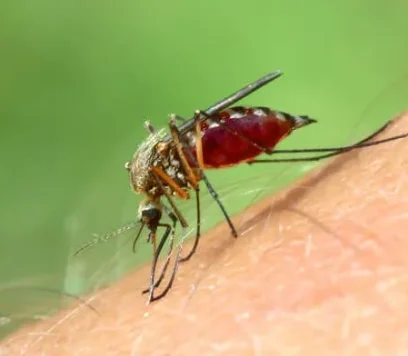
Another clue is their behaviour. Since they are active at night, you may see them run across a bathroom floor or kitchen counter at night after lights are turned on. That movement often points to a nearby hiding place, such as behind baseboards, under sinks, or around utility pipes. If a pest issue appears in a condo corridor or shared storage room, it can indicate a broader problem in shared housing, where moisture and access points allow pests to move from one area to another.
In North York, where many residents store belongings in storage boxes inside basements or shared storage rooms, silverfish may remain unnoticed for a long time. That is why noticing small changes early matters. Professional assessment is often the best way to confirm whether the signs point to silverfish or another moisture-related pest problem.
Why These pests Are Frequent in Nearby homes and Structures
These insects thrive in places with the right environmental settings, and North York properties often create those settings. In older homes, aging materials, moist basements, and limited ventilation can produce ideal hiding spots. In apartment buildings, shared walls, storage corridors, and laundry infrastructure can help for pests to persist across many units.
Storage rooms are a key concern because they often contain paper goods, fabric, seasonal decorations, and cardboard boxes that retain dampness and provide shelter. Silverfish are drawn to these areas because they offer darkness, quiet, and access to starch-based materials. Laundry rooms are another common hotspot, since heat, steam, and minor leaks can increase humidity levels quickly. In condo towers and basement suites, even small water issues can support a long-term pest presence.
North York residents also tend to manage a wide range of property styles, from high-rise condos to basement apartments and older detached homes. That mix counts. A unit in a tower near Yonge Street may be affected by shared plumbing or poor ventilation, while a detached home in a quieter residential pocket may have basement moisture from foundation seepage. In each case, silverfish are responding to humidity control problems, not just food sources.
Because these insects can live in hidden spaces and stay active at night, they are often missed until the issue becomes more serious. That is why local property protection requires more than surface spraying. A proper approach examines the whole structure, including ventilation, sanitation, and places where moisture builds up. This is where integrated pest management becomes especially useful for North York properties.
How Pest Control North York Treats Silverfish Infestations
A trained assessment is the starting step in most silverfish services. During that visit, a technician checks bathrooms, kitchens, basements, closets, utility rooms, and storage spaces for signs of activity. The aim is to locate the infestation source, the moisture conditions that sustain it, and the likely entry points that let pests move into the structure. This sort of professional inspection is especially important in condominiums and apartment buildings, where the problem may involve more than one unit.
After inspection, a focused treatment is used rather than a blanket, one-size-fits-all approach. Depending on the property, this may include a crack-and-crevice treatment in hiding spots around baseboards, plumbing gaps, wall voids, and other cracks and crevices. By focusing on the areas silverfish actually use, technicians minimize exposure while enhancing results. This is especially useful in residential pest control for households with children, pets, or shared common spaces.

A seasoned exterminator will also advise on conditions that support damage prevention and long-term reduction. That may include reducing moisture, improving ventilation, and correcting sanitation issues that allow insects to remain hidden. In North York, a well-planned treatment plan often needs to account for multi-unit housing realities, shared basements, and older plumbing systems that can create repeat pressure from humidity.
Detection traps are often placed after treatment to check whether silverfish are still active. These devices help confirm whether pest numbers are dropping and whether any pockets of activity remain in hard-to-see locations. Ongoing monitoring is especially valuable in buildings where a recurring pest problem could come back through a wall void, a shared storage area, or an untreated utility line. This supports a true local pest removal service approach rather than a temporary fix.
Tips for Preventing Silverfish for North York Residents
Prevention is a key part of silverfish management because these pests are closely linked to moisture and clutter. A highly effective tool is a dehumidifier, especially in basements and laundry rooms where humidity tends to linger. Cutting down indoor moisture makes it harder for silverfish to survive and reproduce. In North York, where basement suites and lower-level rooms are common, this can help a lot.
Storage options also are important. Place dry items and belongings in sealed food containers or alternative https://sites.google.com/view/pest-control-in-north-york/ well-closed bins rather than open packaging. When you store books, documents, or seasonal paper items, avoid damp floor contact and keep them elevated when possible. As silverfish are attracted to books and paper, this step serves to protect valuables and reduces access to food sources.
Home caulking is an additional defence layer. Apply caulking at openings near pipes, trim, and wall edges to limit entry points. This can help block movement from hidden wall spaces into kitchens, bathrooms, and storage areas. Within older detached homes and older low-rise buildings throughout North York, filling these gaps is especially useful because aging materials can create many small openings.
Cutting clutter is practical way to reduce places to hide. Accumulations of paperwork, unused containers, and unused household items give silverfish more shelter and more access to food sources. Getting rid of cardboard boxes and tidying storage rooms can help improve inspection access and supports sanitation habits that prevent pests. Proper sanitation around sinks, shelving, and storage shelves removes dust, crumbs, and organic debris that can feed a problem over time.
For many residents, these actions are most effective as part of a larger ongoing prevention approach. In North York homes, condominiums, and units, the aim is not just to get rid of the visible insects but to make the area less suitable for subsequent activity.
When You Should Contact a Professional Pest Control Expert
If silverfish continue coming back after cleaning, sealing, and moisture reduction, you may be dealing with a repeat infestation. This is one of the clearest signs that it is time to call a professional exterminator. Ongoing activity often means the main cause has not been fully addressed, whether that is a moisture problem, hidden wall activity, or a shared building source in multi-unit buildings.
A further reason to call for help is DIY failure. Retail products may cut down on sightings for a short time, but they often do not reach the hidden spaces where silverfish live. In North York, where pests can hide inside basement wall gaps, utility chases, or storage rooms, surface treatments alone rarely solve the underlying problem. A local expert can provide a fuller response using inspection, monitoring, and targeted pest treatment.
Property management should also get involved when the problem affects condos or rental buildings. In apartment buildings and condominiums, silverfish may travel through shared systems, and one resident’s effort may not be enough. Building managers and landlords may need to coordinate access, moisture correction, and treatment across multiple suites or common areas. This is especially important in high-rise properties and basement apartment settings, where insects can move through hidden pathways between units.
Should you notice silverfish in a building near Willowdale, Downsview, or along busy North York corridors, a fast response helps prevent the issue from becoming larger. The sooner the source is identified, the easier it is to safeguard the structure and reduce damage to paper goods, stored items, and finishes.
What to Expect From a Local Plan for Silverfish Treatment
An effective treatment plan starts with identifying both the insects and the conditions that support them. The initial step is a detailed inspection of problem areas such as basements, bathrooms, kitchens, closets, storage rooms, and laundry rooms. The technician will look for entry points, signs of moisture, and places where silverfish may be hiding in wall voids or around fixtures.
Proper control also includes sanitation recommendations. It can include reducing clutter, vacuuming around edges, removing damp cardboard, and cleaning dust from storage shelves and floor corners. These sanitation habits make the area less appealing and boost treatment results. For many North York homes and apartment units, this step is crucial because the problem often develops in spaces that are used for overflow storage rather than daily living.
Depending on the building type, the plan may include professional treatment in cracks and crevices, along with non-chemical recommendations for moisture reduction. If the space has hidden plumbing leaks or persistent dampness, you may also be advised to improve ventilation or use a dehumidifier. In some cases, the technician may focus on monitoring traps to confirm that activity is declining after the initial service.
Follow-up is important. A follow-up visit helps verify that the treatment worked and that no new activity has appeared in problem zones. This is a key part of long-term control, especially in multi-unit housing where pest pressure can return from adjacent spaces. The best results usually come from combining treatment, sanitation, moisture management, and preventive sealing into one practical plan.
For North York residents, the most effective approach is one that fits the property. A basement apartment, a condo unit near Yonge Street, and an older detached home each need slightly different attention. That is why local expertise matters: the most reliable pest control North York service will adapt to the building, the moisture conditions, and the way people actually use the space.
FAQ Regarding Silverfish Control in North York
What attracts silverfish to homes in North York?
Silverfish are attracted to humidity, moisture, darkness, and access to materials like books and paper, glue, and dust. In North York, they often show up in basements, bathrooms, kitchens, storage rooms, and laundry rooms where damp conditions make the space welcoming. Older homes, basement apartments, and condos with ventilation issues are more likely affected.
How can I tell if I have a silverfish infestation?
Common clues include small droppings, paper damage, damage to book bindings, and sightings of fast-moving insects at night. Because silverfish are night-active pests, they often stay hidden until activity increases. If you suspect a hidden infestation, a professional inspection can verify the source.
Is professional silverfish treatment safe for condos and apartments?
Yes, professional treatments can be designed for condominiums and apartment buildings with safety in mind. A trained exterminator will usually use a targeted treatment and crack and crevice application rather than broad coverage. That makes the service suitable for multi-unit housing when applied properly and combined with clear instructions for residents and property management.
How much time does silverfish control usually take?
The timeline depends on the size of the problem, the amount of moisture present, and how many hiding places are involved. Some homes improve quickly after treatment and moisture correction, while a recurring pest problem may require a follow-up visit and ongoing monitoring. In many cases, lasting improvement comes from combining treatment with long-term prevention steps.
How do I keep silverfish from coming back?
Focus on humidity control, closing entry points with caulking, using a dehumidifier, reducing clutter, and storing items out of damp basements and storage rooms. Use sealed food containers where needed and keep up with sanitation. For optimal results, pair these measures with occasional monitoring traps and professional help if you notice new activity.