Which Smells Do Mosquitoes Hate in Canada?
Why mosquitoes across Canada respond to scent, heat, and carbon dioxide
Mosquitoes in Canada do not chase smell alone. They also track heat, breath, perspiration, and body odor. For that reason a scent that seems strong to you may not stop a bite when the air is warm and still.
During Mosquito season Canada, which usually runs from late spring through early fall in much of the country, pressure rises fast in warm, wet months. Moist weather, sheltered yards, and standing water give mosquitoes the conditions they need to breed. A single puddle in a planter, clogged gutter, or bird bath can lead to more insects near your patio.
Mosquitoes in Canada become more active as temperatures climb into their comfort zone. The Mosquito temperature range Celsius that supports heavy activity is often tied to mild nights and warm days, especially when the air stays damp. That is one reason a Canada mosquito swarm can feel worse near lakes, marshes, river edges, and shaded suburban backyards.
For Mosquito Control in Canada, scent is only one part of the picture. Mosquitoes use insect attractants like carbon dioxide and human skin cues to find a target. So even if a smell pushes them back a little, it rarely solves the whole problem. You still need bite prevention, screen doors, and yard work that reduces breeding spots.
Which smells mosquitoes hate the most
Some odors annoy mosquitoes more than the rest. The most common are citronella, lemongrass, peppermint oil, and eucalyptus oil. These are often found in mosquito repellent products and many essential oils blends used for outdoor pest control.
Citronella has been used for years on patios and in candles because it can confuse mosquito tracking for a short time. Lemongrass has a similar sharp citrus note, which many people like for summer evenings. Peppermint oil brings a cold, strong scent that may help make a small area less appealing. Eucalyptus oil is another option people reach for when they want natural aromas with a stronger profile.

Those smells can assist most when the exposure is low and the area is small. They hold up more effectively as part of a broader plan than as a stand-alone fix. If your yard has standing water, dense shrubs, or open screen gaps, the scent will not carry enough weight on its own.
Botanical scents that can make a difference around patios and decks
Plants can add scent and a bit of mosquito pressure relief near seating areas. Lavender gives off a floral scent that many homeowners place near entries or deck railings. Basil gives a sharp, green scent that works well in herb pots by the grill. Rosemary does well in containers and releases a woody smell when brushed. Marigolds are often grown for color, and some people place them near patios for their scent.
These plants might help around a deck, but they are still https://mosquitoes-control-canada-iw954.alderbrief.com/posts/mosquito-control-in-canada-how-to-reduce-breeding-sites not a full mosquito repellent plan. Treat them as a soft layer, not the main defense. For a townhouse in Calgary, a cottage in Muskoka, or a suburban yard in Halifax, natural plant scents make more sense when they sit beside screening, cleanup, and drainage fixes.
Strong scents that may help indoors, but only for short periods
A few strong household smells can make a room less appealing for a short time. Garlic has a pungent odor that many people notice right away. Vinegar can create a acidic scent that lingers in closed spaces. Tea tree oil is pungent and often used in small amounts in home mixes. Coffee grounds can add a toasty, natural smell that some homeowners scatter in dry outdoor corners.
These choices can work indoors for short periods, but they are not steady long-term bite prevention tools. If a window has no screen, or a door stays open, the scent will not stop them. If mosquitoes are getting inside, check first screen doors, sealed frames, and finding the source of the intrusion.
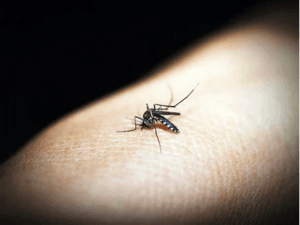
What smell does not perform well on its own
A lot of products claim fast relief, but smell alone rarely wins. Repellents with active ingredients can help, yet scented versions are not the same as strong protection. Scented candles may create a nicer patio mood, but they usually protect only a tiny zone, if any. Bug zappers may kill some insects, but they do not target mosquitoes well and can miss the ones biting you nearby.
Mosquito control devices can fit into a plan, but they should not be your only tactic. A fan, screen, or deck spray may help more than a candle in the real world. If you want outdoor pest control that lasts, pair any scent with source control, barriers, and regular yard treatment.
Think of smell as a distraction, not a shield. Mosquitoes are guided by more than odor, so a patio that smells good can still be a feeding zone if it has water, shade, and easy access to people.
Top mosquito control habits for Canadian homes
The strongest home protection starts with source control, not fragrance. Check for standing water after rain. Empty buckets, toys, and plant saucers. Clean gutters so water drains fast. Level low spots in the lawn where water sits after storms. It cuts the breeding cycle and supports larvae control before adults appear.
Window screens make a difference more than many people think. A torn screen door or loose frame lets mosquitoes move inside at dusk, when people open windows for cooler air. If you live where summer evenings are long and buggy, inspect screens before the season peaks.
Deck and patio cleanup also matters. Shift stacked planters, remove wet leaves, and remove clutter that holds water. Trim overgrown shrubs near sitting areas. It lowers shade, reduces resting spots, and makes spray or other yard treatment work better.
Yard drainage is a bigger issue on many Canadian properties than homeowners expect. Prairie lots, older city yards, and properties near creeks can keep water in the soil after storms. Better grading, dry creek beds, and simple fixes around downspouts can reduce seasonal pressure over time.
Mosquito control services and cost in Canada
If you search for Mosquito control near me, you will notice a blend of one-time sprays, seasonal programs, and recurring plans. Prices vary by region, yard size, and how often the provider visits. In many areas, a Monthly pest control service is the most steady option during the warm months, especially if you want regular yard treatment and follow-up visits.
Mosquito Hero cost and Orkin Canada cost can vary based on the service area, treatment type, and your property size. Some homeowners want one treatment before a party or wedding. Others want regular seasonal service from spring through fall. That variation changes the bill more than the brand name alone.
If you're based in Ontario, Pest control cost Ontario often varies with where you are and how large the yard is. City lots, seasonal properties, and large suburban yards do not price the same way. Check what is included, how often the technician returns, and whether the plan covers mosquito treatment only or broader outdoor pest control too.
Examples of local service Canadians review
Mosquito control Edmonton is a common search because prairie summers can bring bad bites near irrigation channels, low ground, and any patch of collected water. In Edmonton, dry weather can change fast after rain, and mosquitoes can still spike around sheltered backyards and green belts.
Many of the homeowners compare Weedman mosquito control with Orkin pest control because both names are recognizable in Canadian home services. Orkin prices can reflect a broader pest program or a mosquito-specific service, so it helps to request the exact scope. A less expensive quote is not always the best one if it skips follow-up or source checks.
If you want a true price check, look at the care plan, treatment frequency, and guarantee terms, not just the price for the first visit. The strongest value often comes from the provider that shows what is happening in your yard, then supports that with clear actions.
Are the Canadian mosquitoes a concern
Are Canadian mosquitoes dangerous is a fair concern, especially if you are new to a area with frequent bites. Most bites are a nuisance, but mosquitoes can carry disease risk in some areas. The concern changes by province, weather, and species.
Mosquito control government pages and provincial health updates often monitor local risk, including West Nile virus activity in some regions. Public health agencies may also use a Mosquito map Canada or local surveillance alerts to show where activity is higher. These tools matter because Mosquito Canada risk is not the same everywhere. A wet spring in one province can create far more pressure than a dry year in another.
That is why your plan should fit the current season, not just a calendar date. If public health notices show active surveillance in your area, take the warning seriously. Keep screens intact, drain water, and use a proven mosquito repellent when you are outdoors for long stretches.
How to choose a mosquito plan for your property and price range
Begin with your site. A small city lot with good drainage needs a different plan than a shaded backyard near a ravine. Then match the service to your spending limit and exposure. If you only need help for a few summer weekends, a once-only visit may be enough. If mosquitoes stay heavy from June through September, a ongoing plan can make sense.
Review the value of Mosquito Hero reviews with other providers, but read them for details, not just stars. Look for comments about communication, timing, and whether the yard stayed usable after treatment. If you call, ask for the Mosquito Hero phone number and ask specific questions about treatment method, visit timing, and what happens after rain.
You should also consider whether Mosquito control devices fit your yard. Some homeowners like traps, fans, or barrier products. Others want a service plan with set visits. The right choice depends on how often you use the yard, how many people live there, and how much work you want to do yourself.
A good plan usually combines four parts. Remove standing water. Keep screen doors and window screens in shape. Use a mosquito repellent on exposed skin. Add local service if pressure stays high. That approach gives you stronger bite prevention than scent alone.
FAQ
How much does monthly mosquito control cost?
Recurring mosquito service cost is tied to your property size, province, and how regularly the provider visits. In many Canadian regions, a monthly visit plan comes more than a one-time spray, but it can be worth it during peak mosquito season Canada when pressure stays high for weeks.
What is the best mosquito insecticide for Canada?
The best mosquito insecticide for Canada depends on where the mosquitoes are resting and breeding. For yards, a technician may use a spot treatment around shrubs, shaded edges, and entry points. The better choice is the product that fits local rules, your property, and the level of vector risk in your area.
How much do exterminators cost in Canada?
Extermination cost in Canada depends by pest, property size, and service type. For mosquitoes, a single treatment may cost less than an ongoing service plan, while broader pest control can cost more. Ask for a written quote that details the visit count, follow-up, and any seasonal coverage.
Do I need mosquito repellent in Canada?
Yes, if you spend time outdoors during warm months, mosquito repellent is a smart layer of bite prevention. It matters most at dusk, near water, or in shady yards where mosquitoes in Canada are active. Pair it with screen doors and standing water cleanup for better results.
How much does mosquito control cost per month?
How much mosquito control cost per month depends on the service plan and your region. Ontario pricing, prairie pricing, and coastal pricing can differ because yards, climate, and service frequency vary. Ask providers what is included in the monthly pest control service before you choose.
Mosquito Man Toronto
224 King St W #2401, Toronto, ON M5J 0A6, Canada
+1 647-243-7241
https://mosquitoman.ca/pest-control/toronto/
43.6475305, -79.3873341