Will Pest Control Remove Pests For Good in Toronto?
Short answer: is permanent pest control possible?
The short answer is: sometimes, though not always. Professional pest control Toronto services can remove an active infestation and significantly lower the chance of pests returning, yet long-term pest control usually depends on the pest type, the treatment method, and what happens after service. A single extermination may solve the immediate problem, but it does not always prevent future reinfestation.
If you are searching for pest control near me or comparing best pest control near me options, the real goal should be ongoing control: elimination, exclusion, sanitation, and monitoring. That approach is more effective than expecting a single visit to last forever. In Ontario, the pest control cost Ontario homeowners and renters pay often reflects this reality, because lasting results may require inspection, baiting, residual treatment, follow-up treatment, and prevention work.
In other words, professional extermination can absolutely eliminate pests for now, and in many cases for a long time. But if the property still has entry points, food sources, moisture, or hidden harbourage, pests can return.
Why pests reappear after treatment
These pests return for a few typical factors. The first is that services may kill the adults you can see, but leave behind eggs and larvae or an active egg cycle that creates the next wave. This is especially typical with insects that mature quickly and shelter in cracks, baseboards, or furniture seams.
The second reason is that the structure itself still harbours the infestation. If there are cracks, pipe gaps, utility penetrations, torn screens, or gaps around doors, new pests can move in through the same entry points. In a city like Toronto, that matters even more because pests often move between units, hallways, and wall voids.
The third reason is harbourage. Pests need protected places to live, nest, and travel. Clutter, stored cardboard, unused items, wall cavities, appliances, and damp areas create excellent hiding zones. Without reducing harbourage, even good treatment can be followed by recurrence.
Finally, the infestation may not have been fully mapped out in the first place. A proper inspection is essential because many pests are not where the visible activity appears. If the problem is larger than expected, a single service visit may not treat the whole source of the infestation.
What pests are most difficult to remove for good?
Some pests are much harder to remove permanently than the rest. The most difficult cases often involve cockroaches, bed bugs, mice, and ants. These species are resilient, expand rapidly, and often use hidden spaces inside homes and multi-unit buildings.
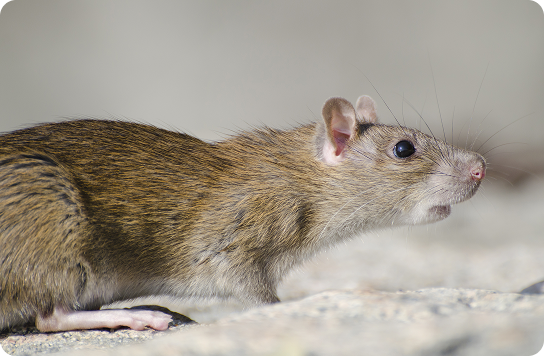
Cockroaches are persistent because they breed rapidly, hide in warm moist areas, and can build resistance to certain products. Bed bugs are difficult because they spread on belongings and furniture, survive in tiny cracks, and often require several treatments. Mice are hard to remove for good unless exclusion and entry sealing are completed. Ants can also return if the colony is not fully targeted or if moisture and food access remain available.
In Toronto, these pests are especially stubborn in older homes, apartment buildings, and multi-unit housing where the underlying structure can support repeated movement between units.
Bed bugs: why heat treatment and follow-up matter
Many homeowners ask about bed bug heat treatment Toronto services because heat can be an effective way to eliminate bed bugs at multiple life stages. Heat treatment is often used when the infestation is extensive or when chemical-only approaches are less effective. It can be especially useful because it targets bed bugs in furniture, mattresses, and wall voids that may be hard to reach with sprays alone.
That said, the cost of bed bug treatment in Toronto can vary depending on the size of the infestation, the number of rooms involved, and the amount of preparation required. The heat treatment for bed bugs cost may be higher than simple spot treatments, but it can offer stronger results when the infestation is severe.
Bed bug service in Toronto often needs follow-up treatment because eggs can survive if treatment conditions are not ideal, and because dense rental housing can increase reinfestation risk. Preparation also matters. Bedding, clutter, and furniture placement all affect whether heat can reach every hidden area. For these reasons, bed bug control is rarely a one-and-done job.
Rodents and mice: why sealing gaps is essential
If you are asking how much is pest control for mice, the answer depends on whether the service is just trapping or a full mouse control program. Traps can remove mice that are already active, but they do not stop new mice from entering unless the property is sealed. That is why entry sealing is essential.
Some people search for diy fumigation for mice, but fumigation is not a practical or safe DIY solution for most homes, and it does not solve the underlying problem. Mice enter through small openings, travel inside wall cavities, and nest in out-of-the-way spaces. Without sealing holes, gaps, and utility penetrations, trapping alone usually leads to additional activity later.
Rodent control works best when it includes inspection, exclusion, sanitation, traps, and ongoing monitoring. In Toronto’s dense residential areas, especially buildings with shared mechanical spaces or older construction, mice can continue to move in from adjoining units or exterior openings unless the structure is properly sealed.
What makes pest control more apt to be durable?
The most dependable outcomes come from a strategy built around integrated pest management. That means far beyond spraying. It starts with a detailed inspection, followed by targeted extermination, and then prevention actions that lower the chance of future infestation.
Three things matter most: sanitation, monitoring, and exclusion. Sanitation removes food and water sources. Monitoring helps detect new activity early. Exclusion closes entry points so new pests cannot move in. When these steps are blended with the right residual treatment, baiting, and traps, the result is far more durable.
Good pest https://mississauga-onlz630.huicopper.com/pest-control-toronto-resource-local-prices-services-and-what-to-anticipate control also considers where pests are likely to hide. Reducing harbourage, improving airflow, fixing leaks, and keeping storage areas organized all make a difference. If the property stays attractive to pests, even a strong treatment may only provide temporary relief.
How many treatments are usually needed?
For many infestations, one treatment is not enough. The number of visits depends on pest type, severity, and how well the property can be prepared. Some problems may clear after a single service plus follow-up checks, while others require a full treatment schedule.
Follow-up treatments are common because many pests have life stages that are harder to reach the first time. A second visit can help catch newly hatched pests, confirm whether activity has dropped, and adjust the plan if needed. That is also why a good warranty matters. It gives the customer confidence that the company will return if there is recurrence or persistent activity within the warranty period.
In practical terms, permanent control is more likely when the initial service is followed by inspection, monitoring, and prevention work. If a provider treats the visible problem but does not schedule a follow-up treatment when necessary, the chance of pests returning goes up.
How much does pest control cost in Toronto and Ontario?
The pest control Toronto cost is influenced by the pest involved, the property size, access, and infestation level. Simple jobs may be fairly affordable, while complex infestations involving rodents, bed bugs, or cockroaches can cost more because they often require multiple visits, specialized products, and more labour.
As soon as customers search for pest control prices near me or pest control near me prices, it is wise to keep in mind that cheap upfront costs does not always mean greater overall value. A lower quote may cover only a single visit, while a more comprehensive plan may feature inspection, exclusion, and repeat care that reduces future costs.
For common household pests, cockroach exterminator Toronto cost can vary widely depending on whether the infestation is isolated to one kitchen or spread through a larger building. Cockroaches are often more expensive to manage when sanitation issues, moisture, and shared walls are part of the picture.
Price comparisons across Ontario cities
Toronto costs is commonly compared with nearby Ontario markets. For instance, pest control Mississauga fees may be comparable for common home jobs, while pest control Brampton prices and pest control Hamilton prices can shift based on commuting, property type, and market demand. pest control Kitchener may provide different pricing again depending on the size of the infestation and whether the service is in a home, condo, or commercial space.
You can also look at wider regional comparisons. pest control London Ontario can price some treatments differently from Toronto because the types of homes and service area are not the same. Even outside Ontario, you may see different benchmarks such as pest control Edmonton prices or services in Atlantic Canada like pest control Fredericton NB, including names such as adams pest control Fredericton and adams pest control Moncton. These examples show that local market conditions and building types influence quotes more than a single national standard.
What determines the final quote?
A number of factors affect the final price. The first is infestation size. A small problem costs a lower amount to address than a large-scale one. The second is pest type. Bed bugs and cockroaches often require more thorough treatment than a minor ant problem. The third is property size, because bigger homes and multi-floor spaces take more time to inspect and treat.
Accessibility also is important. If pests are behind walls, in crawlspaces, in ceilings, or inside crowded storage areas, the work becomes more complex. In condos and apartments, access may be constrained by building rules or shared construction, which can affect cost and timing.
Should you search for pest control near me or go with a professional?
Finding pest control near me is a helpful first step, but the smartest option is not always the nearest company. The best provider should know your exact pest issue, the building type, and the local conditions that cause infestation. That is why many people end up going with the best pest control near me option based on experience rather than how close they are.
A local exterminator can be useful because they are familiar with Toronto districts, older homes, apartment towers, and seasonal patterns. A specialist may be a better fit if the issue involves bed bugs, rodents, or a recurring cockroach problem. The key question is whether the company serves your service area and can provide a complete plan, not just a fast treatment.
Choose companies that explain inspection findings, mention exclusion and prevention, and offer a practical warranty. Those signs usually indicate a stronger long-term approach.
City-specific factors that leave pests difficult to control
Toronto has a number of conditions that leave pest infestations tougher to eradicate permanently. One major factor is the number of multi-unit buildings and condos. In these settings, pests can travel through shared walls, hallway gaps, utility lines, and plumbing chases. A unit may be treated successfully, but if neighbouring units are not addressed, pests can return.
Another factor is climate. Seasonal temperature shifts push pests to move indoors, especially when Ontario winter weather becomes harsh. Rodents and cockroaches are drawn to warm, sheltered interiors with steady food and water. Year-round indoor heating also makes homes and apartment buildings more attractive to these pests.
Dense housing, older infrastructure, and constant movement of people and belongings all increase the challenge. In Toronto, permanent control often requires cooperation between residents, landlords, property managers, and technicians. Without that coordination, recurrence is more likely.
When DIY helps and when it makes the problem worse
DIY pest control can help with small, early problems. For example, DIY traps may reduce visible mouse activity, and basic cleaning can limit food access for ants and cockroaches. Some homeowners use over-the-counter products as a temporary measure while they wait for professional help.
However, DIY can make things worse when the infestation is larger than expected. Some pests develop chemical resistance, which means repeated use of the wrong product may not solve the issue. Insects may also scatter into hidden areas after poorly applied treatments, making them harder to find and remove.
Professional treatment is usually the better choice when pests are spreading, the source is unclear, or the home has multiple hiding areas. A trained technician can inspect the full property, identify the pest species, and choose the right combination of baiting, residual treatment, traps, and exclusion.
Ways to stop pests returning after service
Long-term prevention starts with basic yet essential habits. Place food in airtight containers and improve food storage so pests have fewer food sources. Reduce clutter because piles of boxes, paper, and unused items create shelter and make inspection more difficult. Improve clutter reduction routines in basements, laundry rooms, kitchens, and storage closets.
Caulking cracks and gaps is one more important step. Fill openings around baseboards, pipes, cabinets, windows, and doors to stop entry points. This is most important in older Toronto homes and multi-unit housing where tiny openings can become major pest pathways.
Routine maintenance also matters. Address leaks, clean drains, empty garbage promptly, and check for new signs of pests after significant weather changes. The more regular your prevention habits are, the lower the chance of reinfestation.
If you live in a condo or rental, report issues early. Quick action gives the pest control provider a better chance of managing the problem contained before it spreads to other areas.
FAQ: permanent pest control answers for Toronto homeowners and renters
Can pest control get rid of pests permanently?
Yes, sometimes, but not always. Pest control can remove an active infestation and provide lasting protection, but true permanence depends on the pest, the property, and whether prevention steps are maintained. If entry points, food sources, or harbourage remain, pests may come back.
How many pest control treatments does it usually take?
The answer depends on the pest and the level of infestation. Some issues clear after one visit plus a follow-up treatment, while others require a more extensive service plan. Bed bugs, cockroaches, and rodents often need more than one service to prevent recurrence.
Why do pests come back after extermination?
Pests return because eggs and larvae may survive, entry points may still be open, or the building may still support harbourage. In Toronto, shared walls and multi-unit housing can also allow pests to return from neighbouring spaces.
Is bed bug heat treatment in Toronto long-lasting?
Bed bug heat treatment in Toronto can be highly effective, but it is not always permanent on its own. Additional inspections, setup, and precaution are important because dense rental housing and shared building structures can raise reinfestation risk.
How much does pest control cost in Toronto for mice or cockroaches?
The price depends on the infestation size, property size, accessibility, and whether exclusion work is included. Cockroach exterminator Toronto cost and how much is pest control for mice can vary a lot, especially if follow-up visits are needed. Comparing quotes for pest control Toronto cost, pest control prices near me, and pest control near me prices can help, but the cheapest option is not always the best overall value.
Mosquito Man Toronto224 King St W #2401, Toronto, ON M5J 0A6, Canada
+16472437241
https://maps.app.goo.gl/VbxNrosScd6ZL8U39
https://mosquitoman.ca/pest-control/toronto/
JJX7+23 Toronto, Ontario, Canada